1. Real booths, not only logos
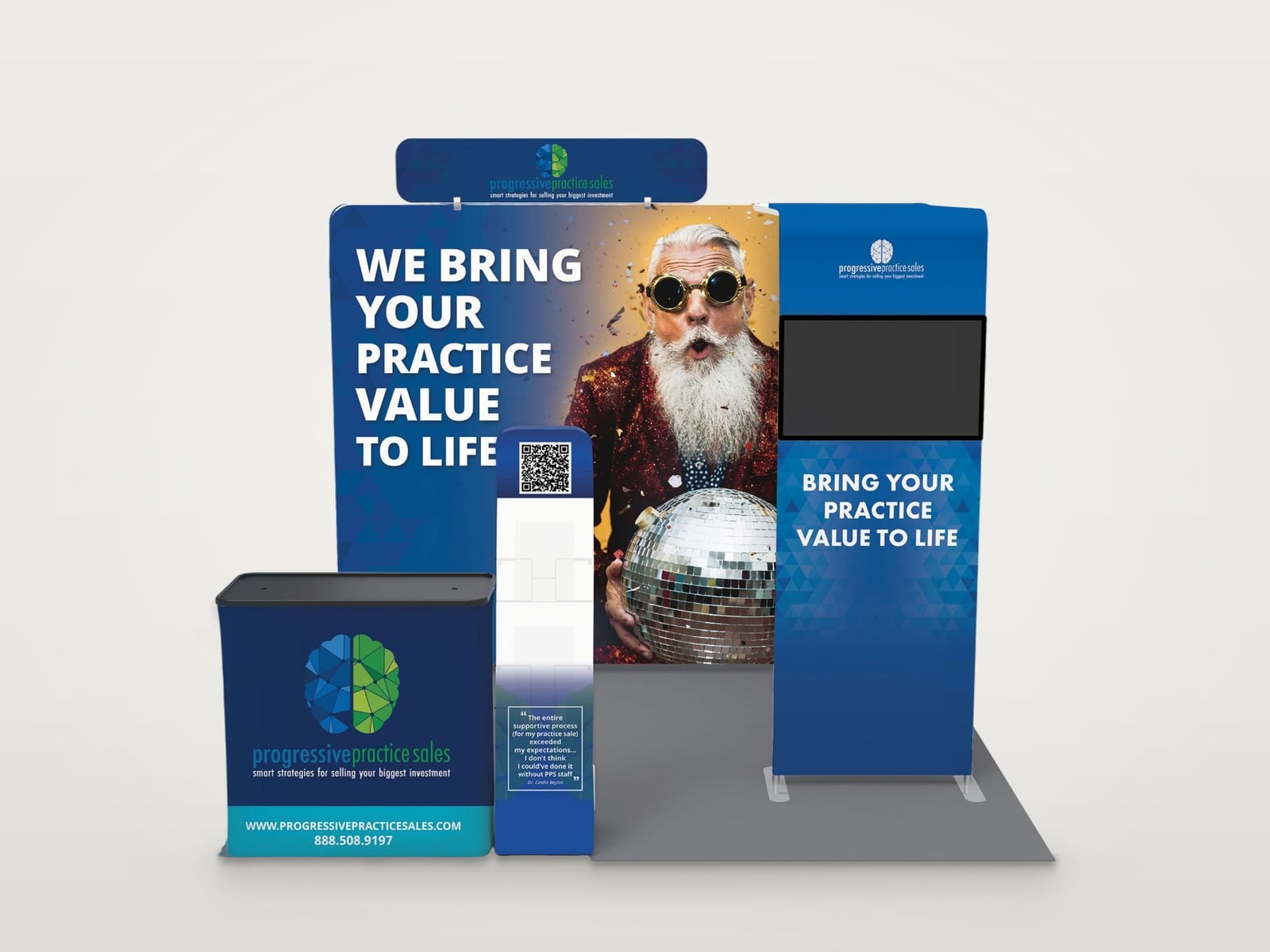
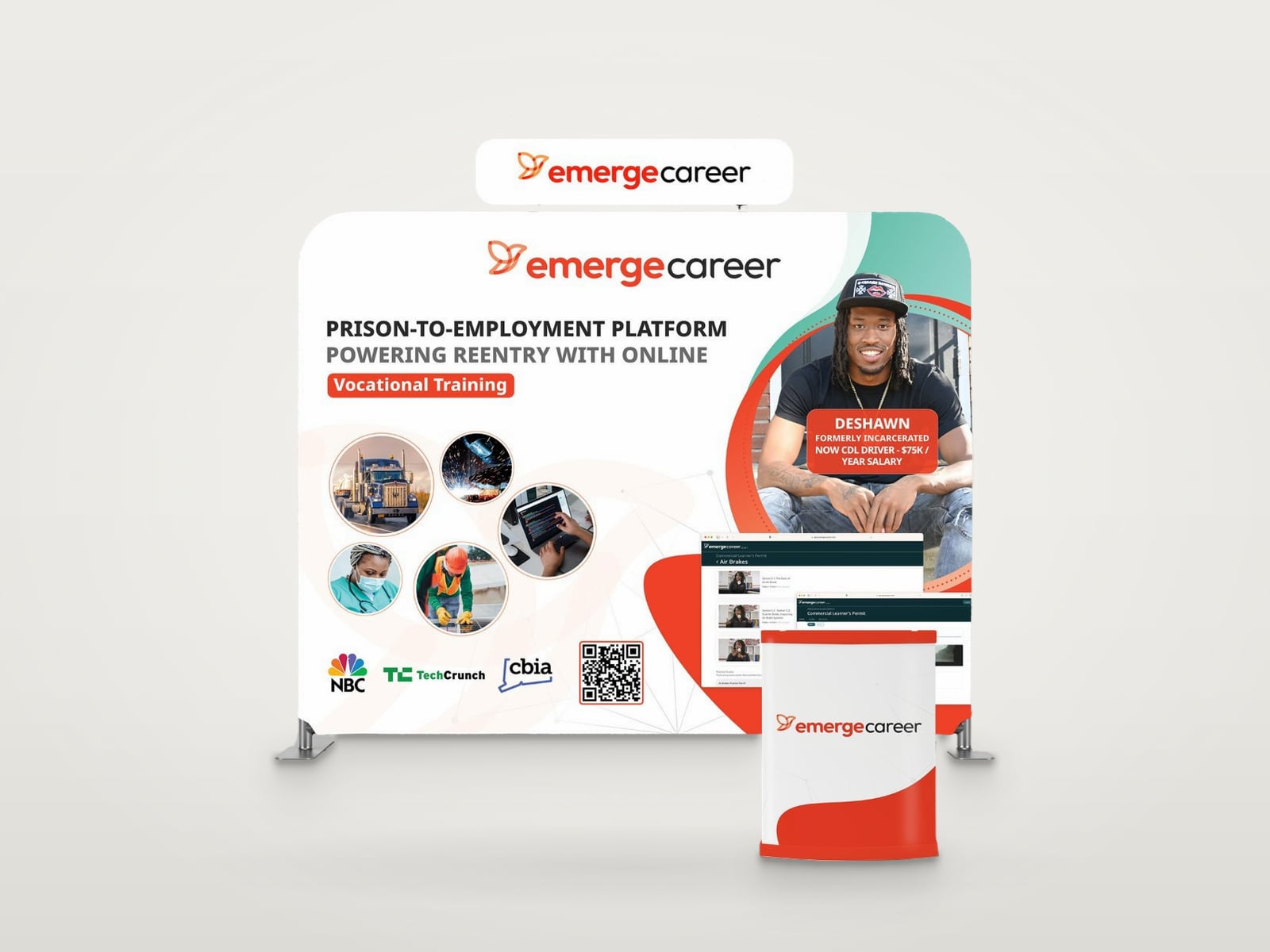
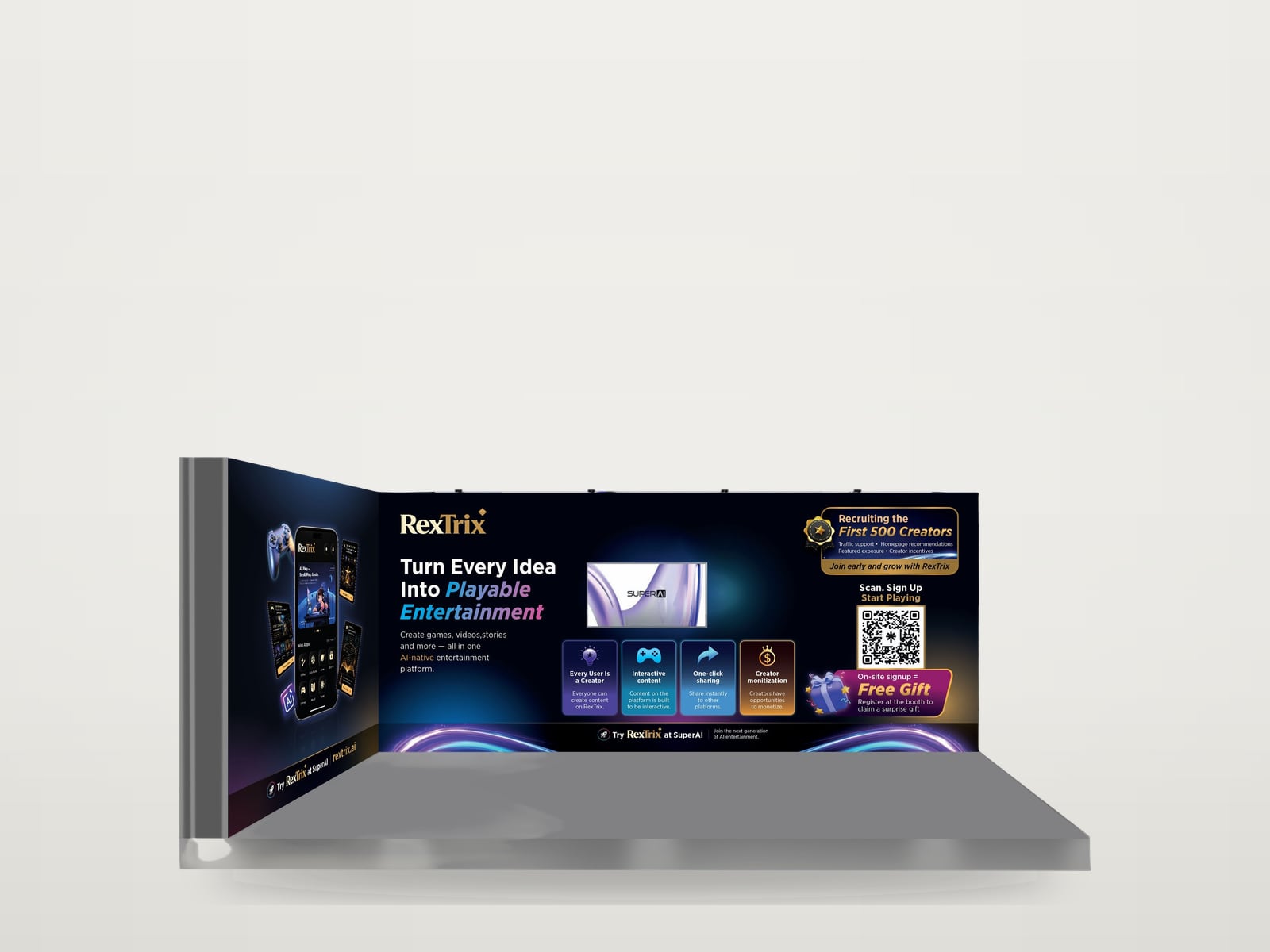
Ask to see booths and backdrops the designer has made, at full booth size. Logo work and social posts are a different skill. A booth has to read from several metres away, across panels with seams and a counter in front. If they can show a photo from a real show, even better.
2. They ask about your show and hardware first
A designer who starts with questions about the show, the booth size, the open sides and the display hardware is planning for print. Expect to be asked for the supplier's graphic templates and any rules in the exhibitor manual. The booth size guides list the usual panels for each size.
3. Files built panel by panel
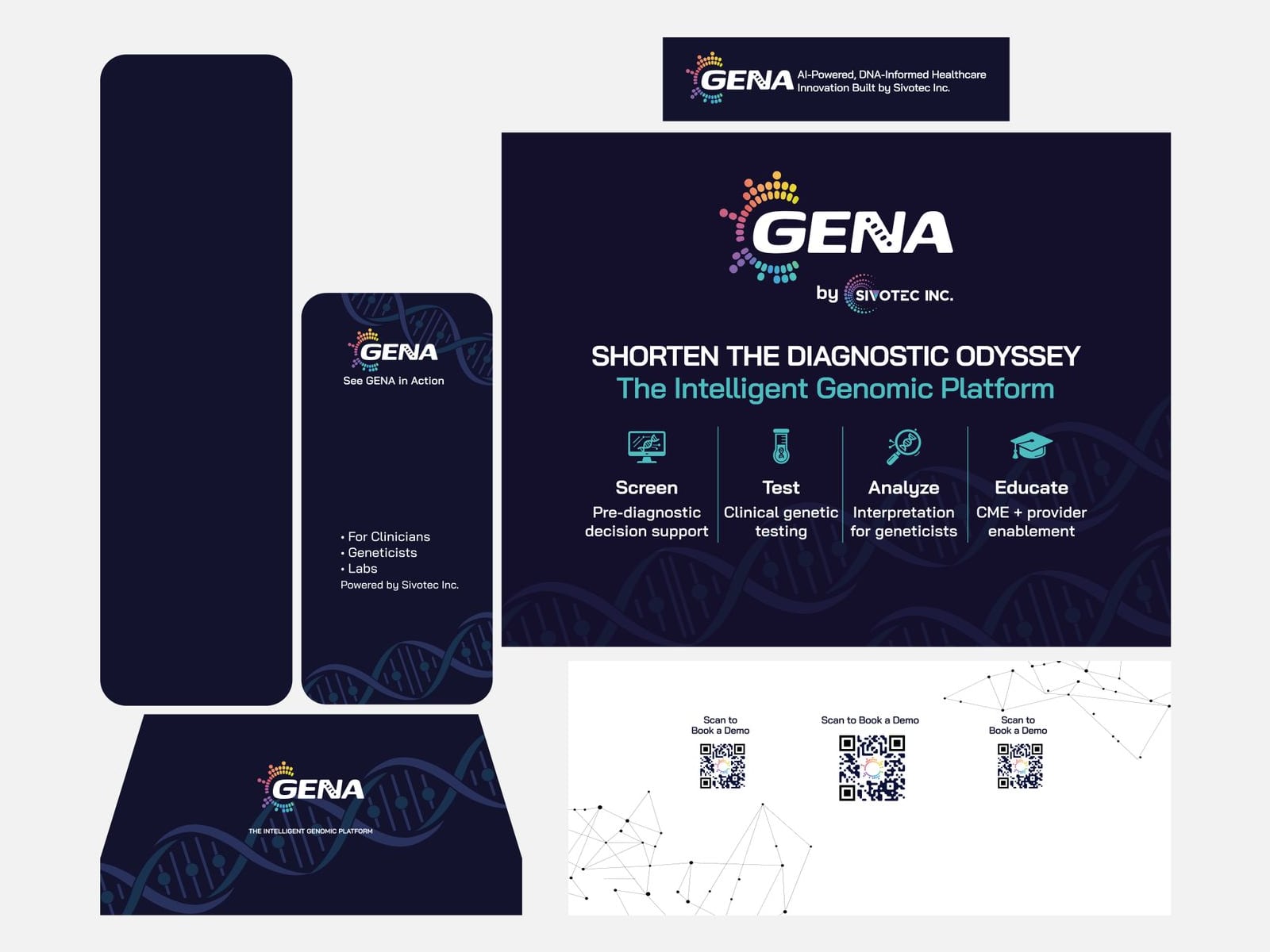
Booth graphics are printed as separate panels: back wall, side walls, counter wrap, tower, header. Each needs the right size, bleed, resolution and colour set-up for its printer. Ask whether you will receive one print-ready file per panel, laid out to the supplier's templates. The artwork checklist shows what those files need.
4. A preview before anything is printed
Flat artwork hides problems that show up on the stand: a headline hidden behind the counter, a logo split across a seam, text too small to read from the aisle. Ask for a 3D view or a mockup of the whole booth before the files go to print. You can make a rough one yourself in Booth Studio.
5. They push for one clear message
Visitors give a booth a few seconds as they walk past. A designer worth hiring will help you choose one main message for the back wall and keep the details for the counter, the side walls and the conversation, rather than fitting everything on every panel.
6. Proof rounds and approvals agreed up front
- How many rounds of changes are included.
- Who gives feedback and who gives the final approval.
- How proofs are shared: flat PDFs, a 3D view, or both.
- What happens if the printer asks for a file change after approval.
7. Timing works back from the printer's deadline
The date that matters is the printer's or supplier's artwork deadline, not the show date. A good designer plans backwards from it and leaves time for proofs and a printer check. The design timeline shows a typical order of steps.
8. Everything in one look
Table covers, roll-up banners, flyers, cards and the follow-up email are part of the same booth to a visitor. Ask whether the designer can carry the booth's look across these pieces, so the whole trade show kit feels like one brand.
Questions to ask on the first call
- Can you show me two or three booths you designed, at full size?
- Will I get one print-ready file per panel, to my supplier's templates?
- Will I see the whole booth in 3D before printing?
- How many rounds of changes are included, and how do proofs work?
- What do you need from me, and by when, to meet the printer's deadline?