1. Set one goal for the show
Decide what a good show looks like before you book anything: a number of qualified conversations, meetings with existing customers, a product launch, or partners for a new market. One clear goal decides the booth message, who goes, what you hand out and how you measure the result afterwards.
2. Pick the show your buyers attend
The biggest show is not always the best one. Look at last year's exhibitor and visitor lists, the session topics and who the organiser says attends. A smaller regional or industry show full of your buyers often beats a large show where they are a small part of the crowd.
3. Choose the space to fit the goal
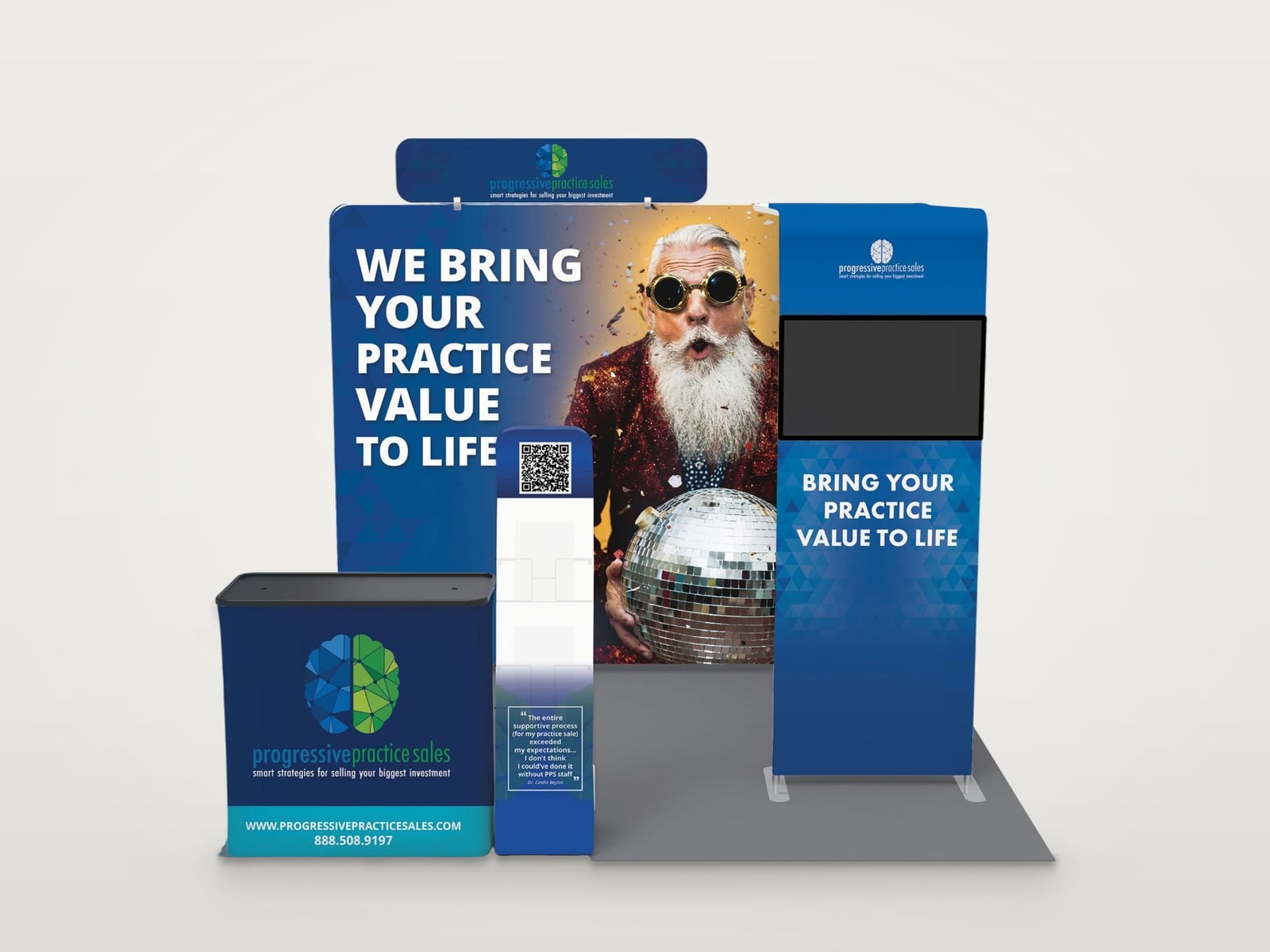
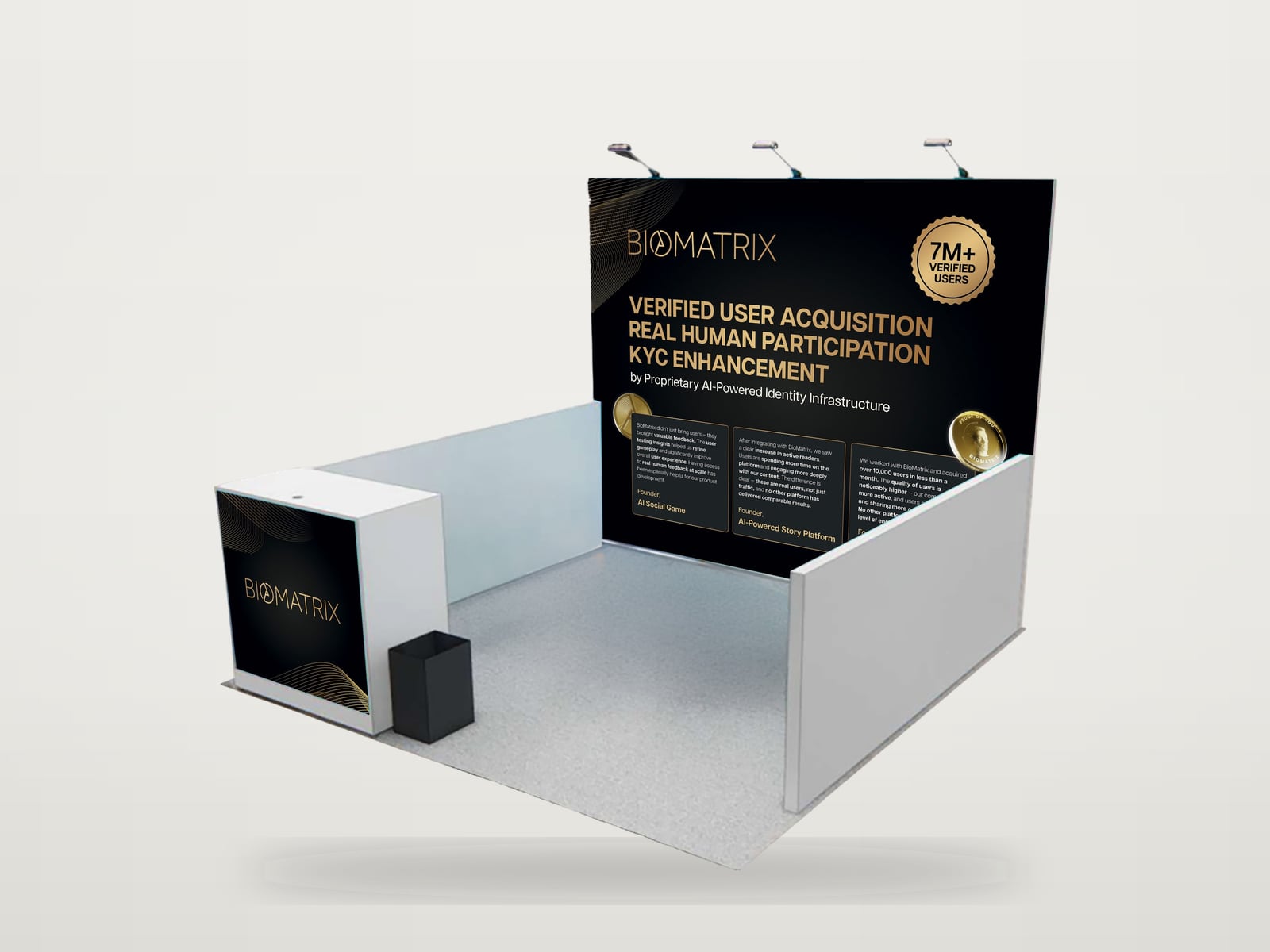
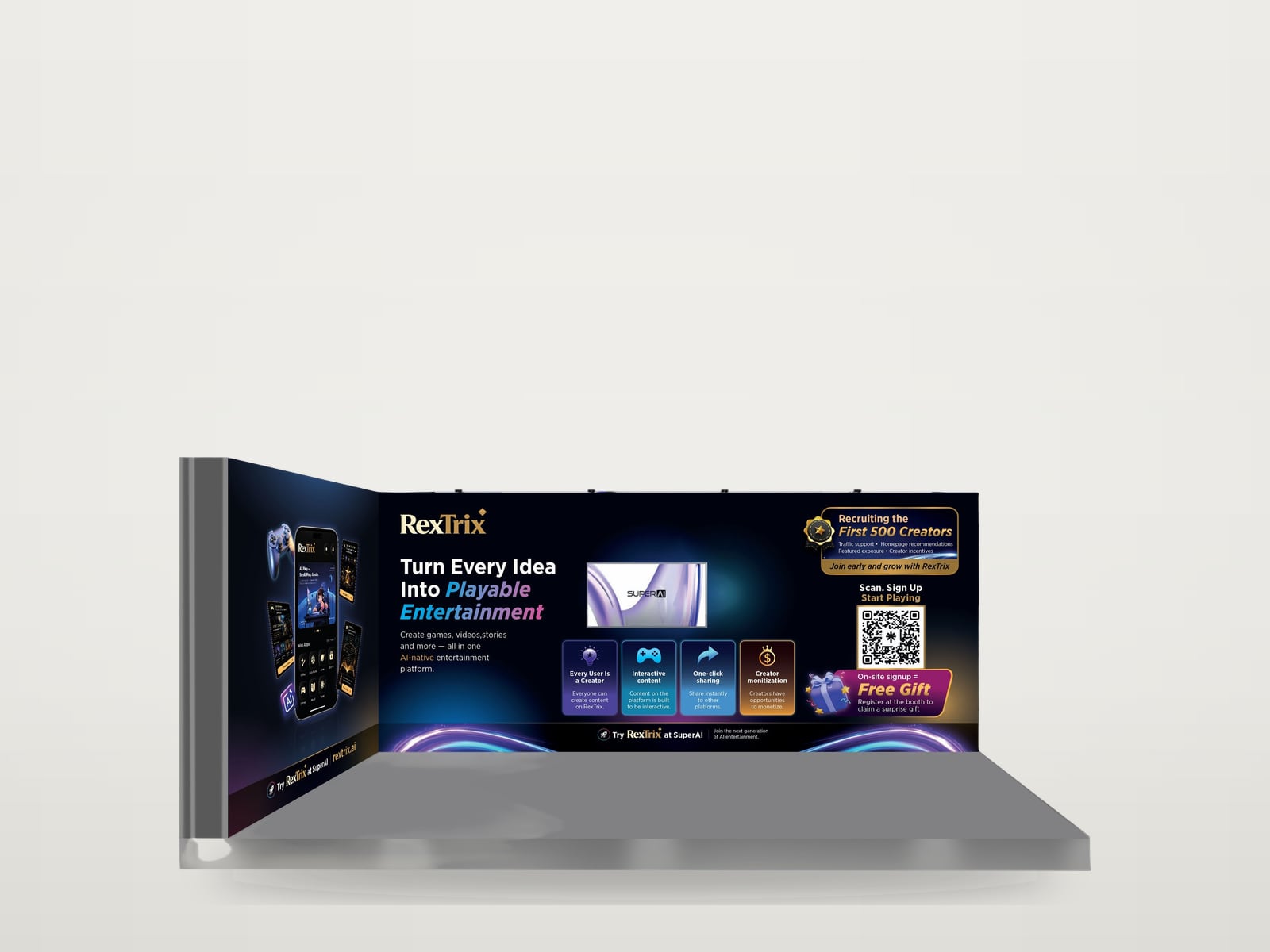
A table top or a backdrop suits a first show or a tight budget. A 10 x 10 ft booth gives you a back wall, a counter and room for two people. Corner and island spaces need a message that reads from several aisles. The booth size guides show the usual panels and layouts for each size.
4. Work back from the deadlines, not the show date
The show date is the last date that matters. Before it come the organiser's deadlines for services and listings, the supplier's artwork deadline, print and shipping time, and your own proof rounds. Put them all in one calendar and plan backwards. The design timeline shows a typical order of steps.
5. Plan the budget by piece
- Space and show services: floor space, power, internet, furniture and lead retrieval.
- The booth: display hardware, graphic design and printing.
- Getting there: shipping, travel and hotels.
- Promotion: invitations, ads, social posts and giveaways.
- Follow-up: the time to call and email every lead after the show.
6. Write one message for the aisle
Visitors give a booth a few seconds as they walk past. Lead the back wall with one short sentence about what you do for the buyer, keep your logo and headline high, and keep details for the counter, the side walls and the conversation. Booth ideas that help people stop and what to put on a backdrop go into this in more detail.
7. Make every piece look like one brand
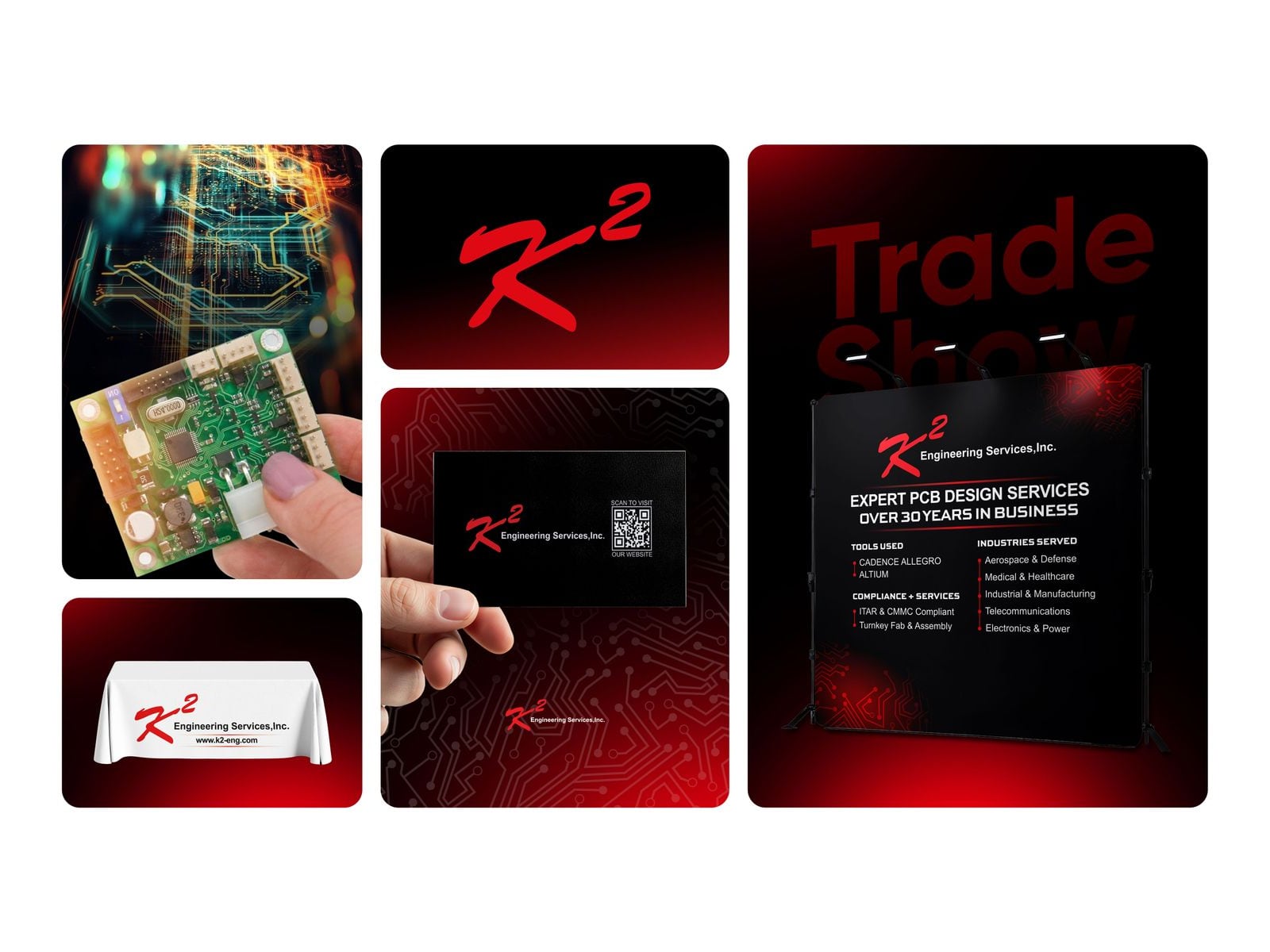
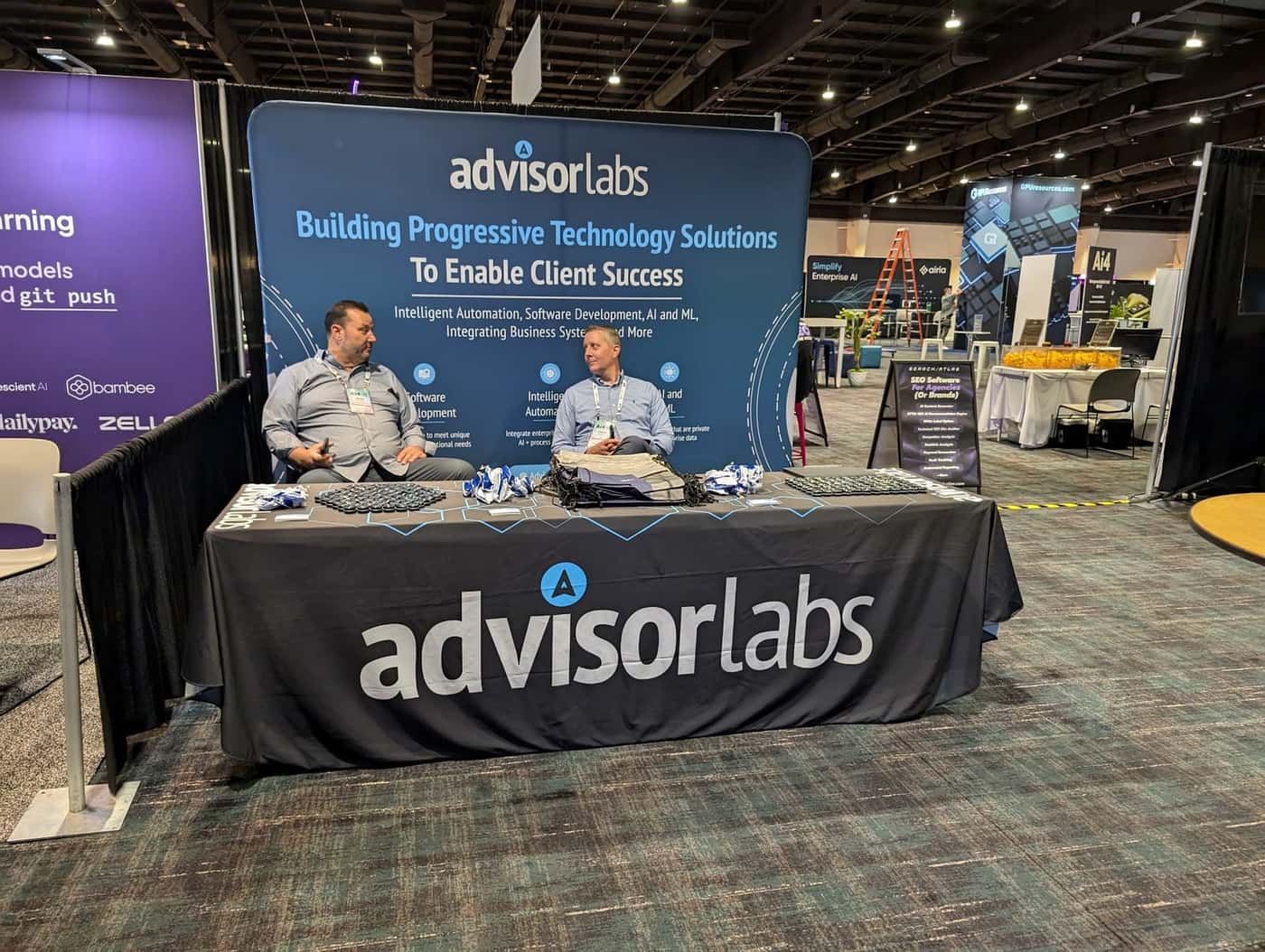
The back wall, counter, roll-up banners, table cover, flyers, badges and the follow-up email are one experience to a visitor. Use the same colours, type and message across all of them so people remember one company, not a set of separate pieces. Event branding design covers how to plan that look.
8. See the booth before you print it
Flat artwork hides problems that only show on the stand: a headline behind the counter, a logo split across a seam, text too small to read from the aisle. Check the whole booth in 3D first. Booth Studio builds a free preview in your browser with your logo or your own print files.
9. Promote before the show
- Tell customers and prospects your booth number and why to visit.
- Book meetings in advance with the people you most want to see.
- Post about the show on LinkedIn and in your email signature.
- Fill in the show's app or exhibitor listing completely.
10. Staff the booth to talk, not to sell
Brief everyone on the goal, the one message and two or three open questions to start a conversation. Agree who covers which hours, keep the counter clear and step out in front of it rather than standing behind it. Phones away while on duty.
11. Capture leads the same way every time
Use the show's badge scanner or a simple form, and add a short note to every lead: what they asked about and the next step you agreed. A QR code on the counter or a roll-up banner helps visitors who prefer to leave their details themselves. Test every code before the show.
12. Follow up within days, then review
The show is only half the work. Send a personal follow-up while the conversation is fresh, sort the leads by how ready they are, and book the next step. Then compare the result with the goal you set in tip 1 and note what to change. The trade show checklist covers the last week, setup day and the days after.
A simple planning order
- Goal and show chosen, space booked.
- Deadlines collected in one calendar.
- Budget split by piece.
- Message written, booth designed and previewed in 3D.
- Print files sent before the supplier's deadline.
- Promotion and meetings booked.
- Team briefed, kit packed, leads captured, follow-up sent.