Start before the show ends
The follow up is written at the booth. A scanned badge tells you who someone is, but not why they stopped. Right after each conversation, take a few seconds to note what they asked about, what you promised to send and how ready they seem. An email that mentions those things cannot be mistaken for a mass mailing. If you have not planned this yet, the trade show checklist covers lead capture and the days after the show.
Then sort the leads before you write a word, ideally on the last evening of the show or the next morning, while the faces are still clear.
| Lead | Who they are | What to send |
|---|---|---|
| Hot | Asked for a price, a demo or a meeting | A personal email with what they asked for and a time to talk. Send these first. |
| Warm | Interested, with a real need, but no date in mind | A personal email with one useful thing and an easy next step. |
| Cold | A short chat or a scanned badge with no notes | A short thank you with a link they can look at when they are ready. |
When to send your follow up
As a rule of thumb, write to hot leads within a day or two of getting home and to everyone else within a few working days. After that, people start to forget the conversation, and other exhibitors from the same show have reached them first.
Many people spend the day after a show catching up on what they missed, so an email that lands the following morning can be easier to answer than one sent from the hall floor. The exact day matters less than sending it while they still remember you. Decide before the show who writes the emails and when, because this is the job that slips once everyone is back at their desks. The trade show planning tips cover how to set aside that time and how to set a goal to measure it against.
What to say after a trade show
- A subject line that names the show or the thing they asked about.
- Who you are and where you met, in one line. They spoke to many people.
- The one thing you talked about, in their words if you noted them.
- What you promised, or one useful thing that fits their problem.
- One next step, easy to say yes to: a short call, a sample, a question to answer.
- A signature with your name, company, phone and booth number, so they can place you.
Subject lines that get opened
Keep the subject short and specific, and write it for someone scanning a full inbox after a week away. Naming the show helps them place the email at once. Avoid anything that sounds like an advert, because it will be read as one.
- Good to meet you at [show name]
- The [product] details you asked for at [show name]
- Following up on [their problem] from [show name]
- [Their company] and [your company]: next step from [show name]
Trade show follow up email templates
Use these as a starting point and change the words to sound like you. The square brackets are the parts to fill in. The sentence about your conversation matters most, so never send one with that line left generic.
Template 1: thank you and next step
Subject: Good to meet you at [show name]
Hi [name], thanks for stopping by our booth at [show name]. I enjoyed hearing about [what they told you]. From what you described, [one sentence on how you could help]. Would a 15 minute call next week be useful? I can do [day] or [day], or send me a time that suits you.
Best regards, [your name], [company], [phone]
Template 2: the file or quote they asked for
Subject: The [item] you asked for at [show name]
Hi [name], as promised at [show name], here is the [brochure, price list or sample details]: [link]. The part most relevant to what you mentioned about [their need] is [section or page]. If it helps, I can go through it with you. Is there anyone else on your team who should see it?
Best regards, [your name], [company], [phone]
Template 3: meeting request
Subject: [Their company] and [your company]: next step from [show name]
Hi [name], you mentioned at [show name] that [their problem or project] is coming up in [time frame]. We have helped with that kind of work, and I would like to understand your side before suggesting anything. Could we talk for 20 minutes on [day] or [day]? If someone else handles this, please point me to them.
Best regards, [your name], [company], [phone]
Template 4: no reply after a week
Subject: Re: Good to meet you at [show name]
Hi [name], I know the weeks after a show get busy. When we spoke, you were looking at [their need], so I thought this might help: [one useful link or idea]. Is this still on your list, or should I check back later in the year? Either answer is fine.
Best regards, [your name], [company], [phone]
How to follow up when there is no reply
Silence usually means busy, not no. Wait about a week, then reply in the same thread so the first message stays visible, and add something new each time rather than just asking whether they saw your email. As a rule of thumb, two or three messages in total are enough for most leads. After that, stop, and leave the door open with a last line such as asking whether to check back later.
A phone call or a LinkedIn message can work where email has not, especially for hot leads. Use whichever you offered at the booth.
Only add people to a newsletter if they agreed to it. A scanned badge is not the same as saying yes to marketing, and the rules differ by country, so check what applies to the people you are writing to.
Make the email look like the booth
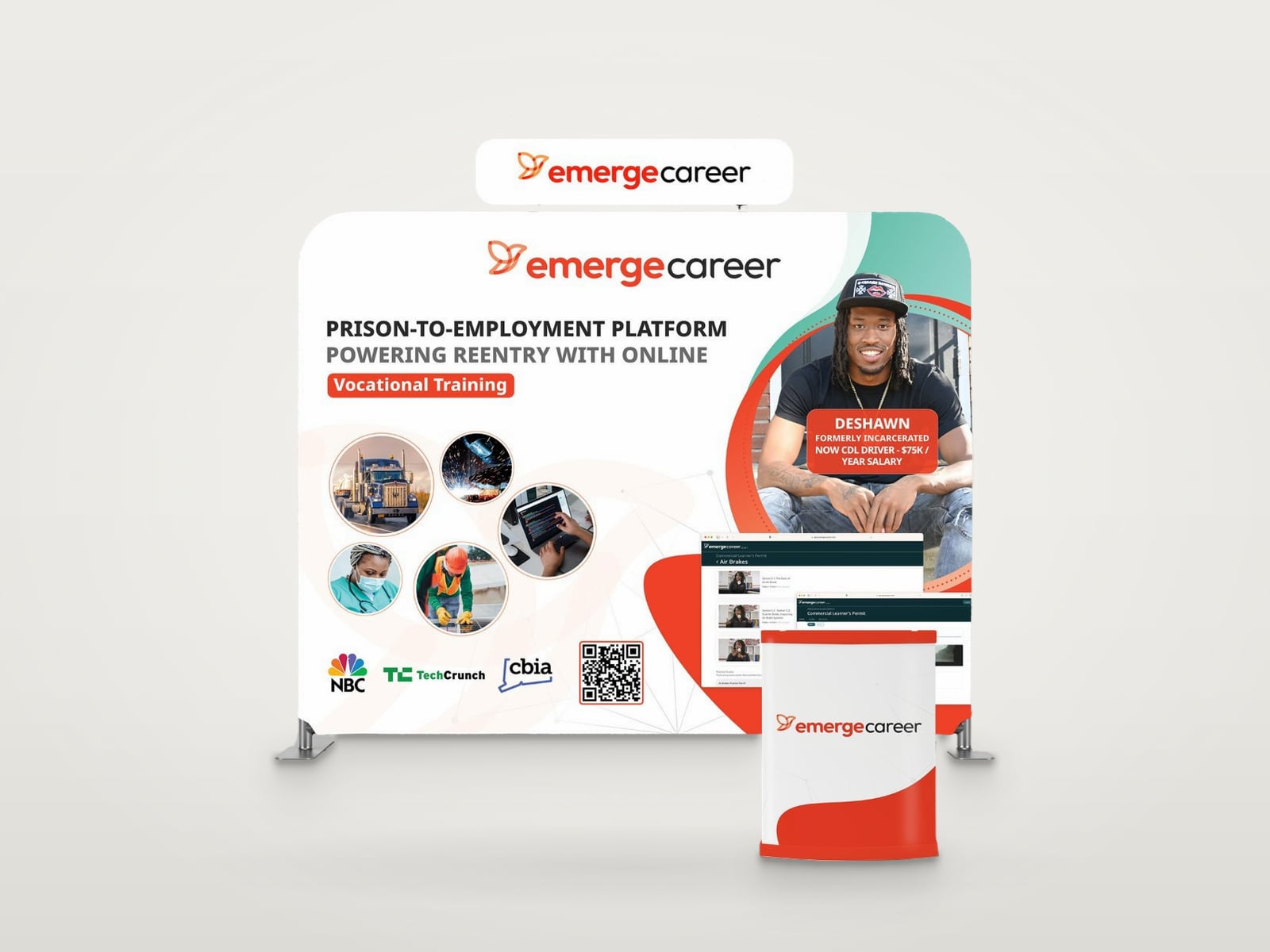
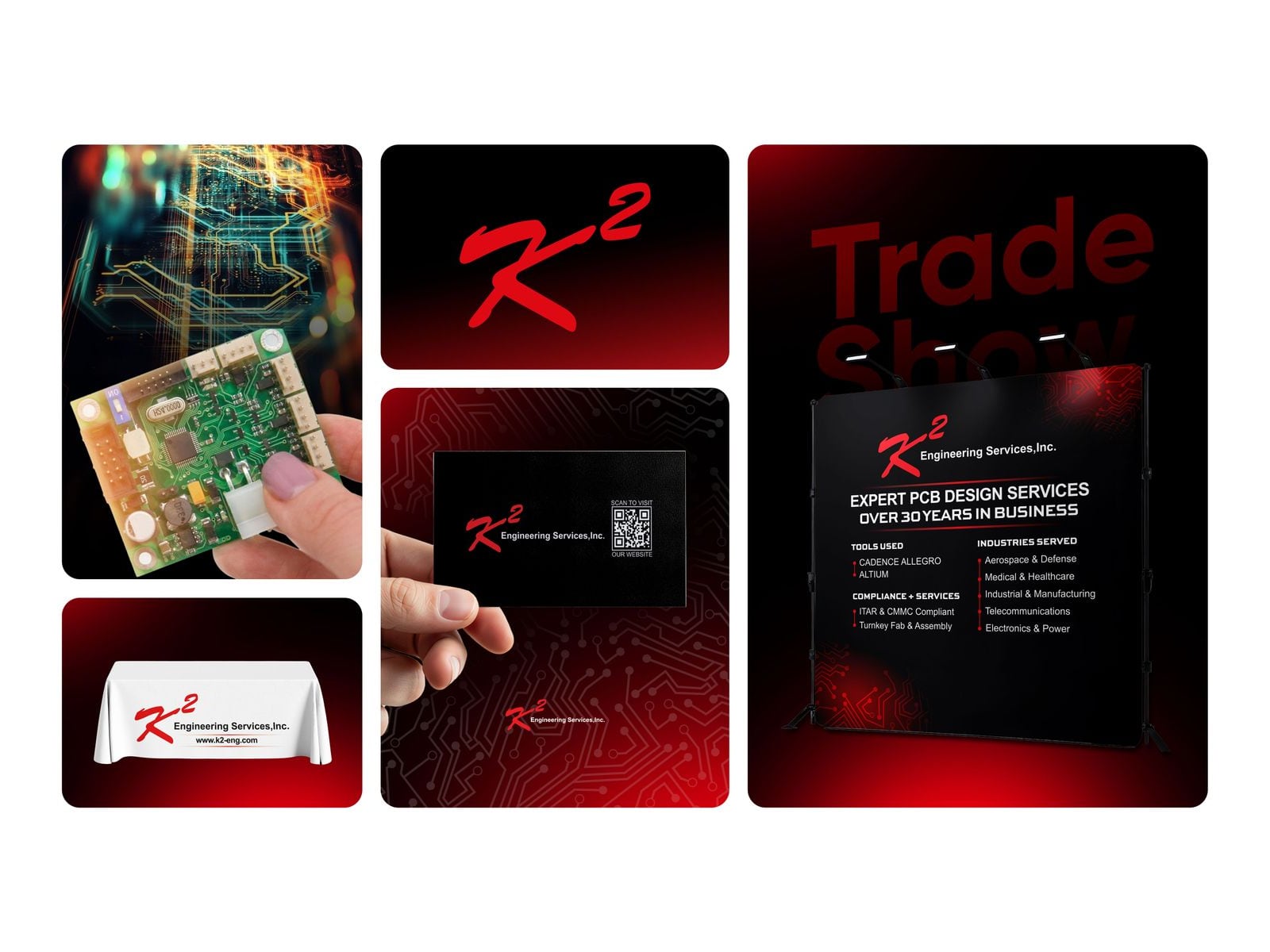
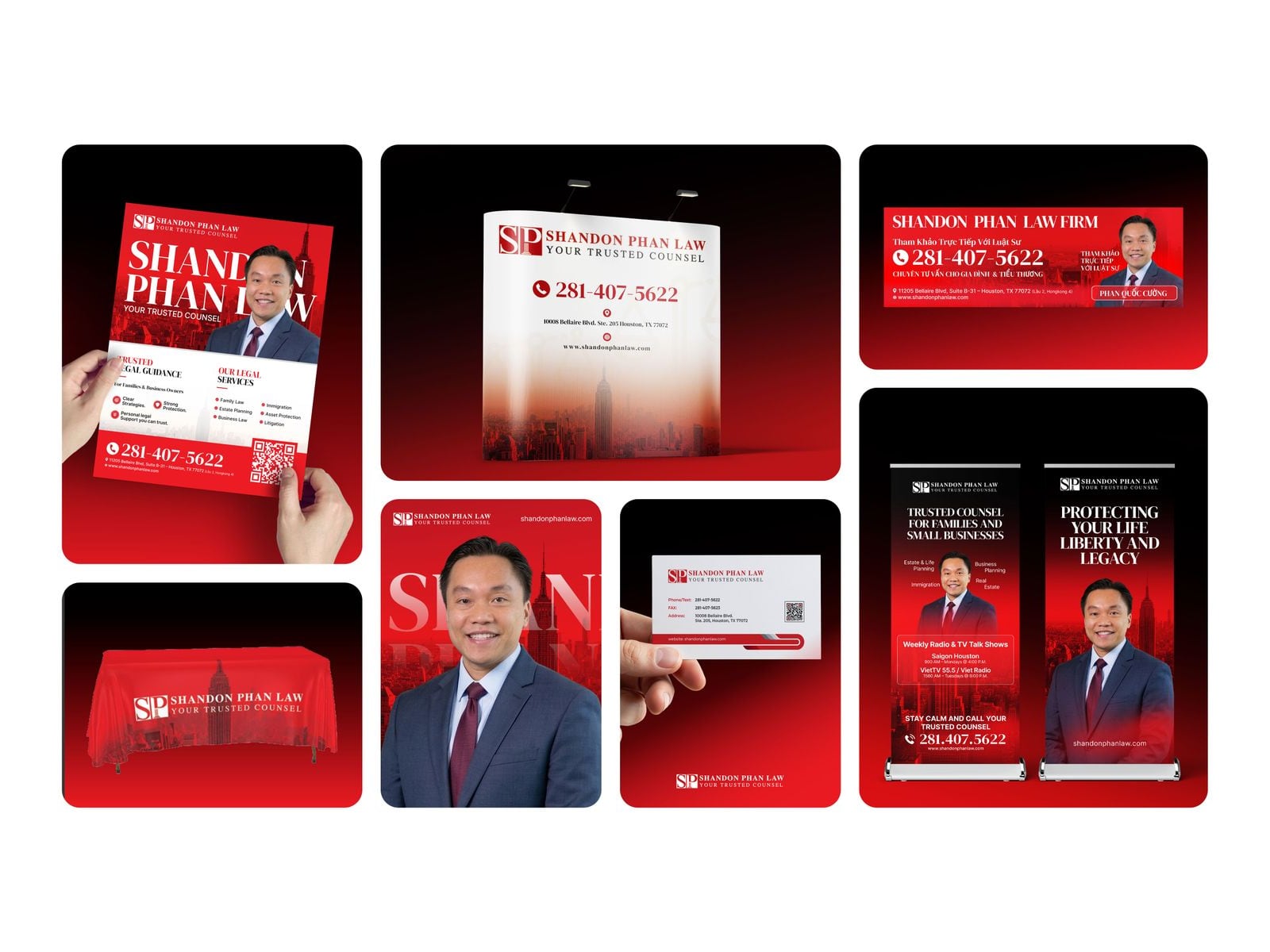
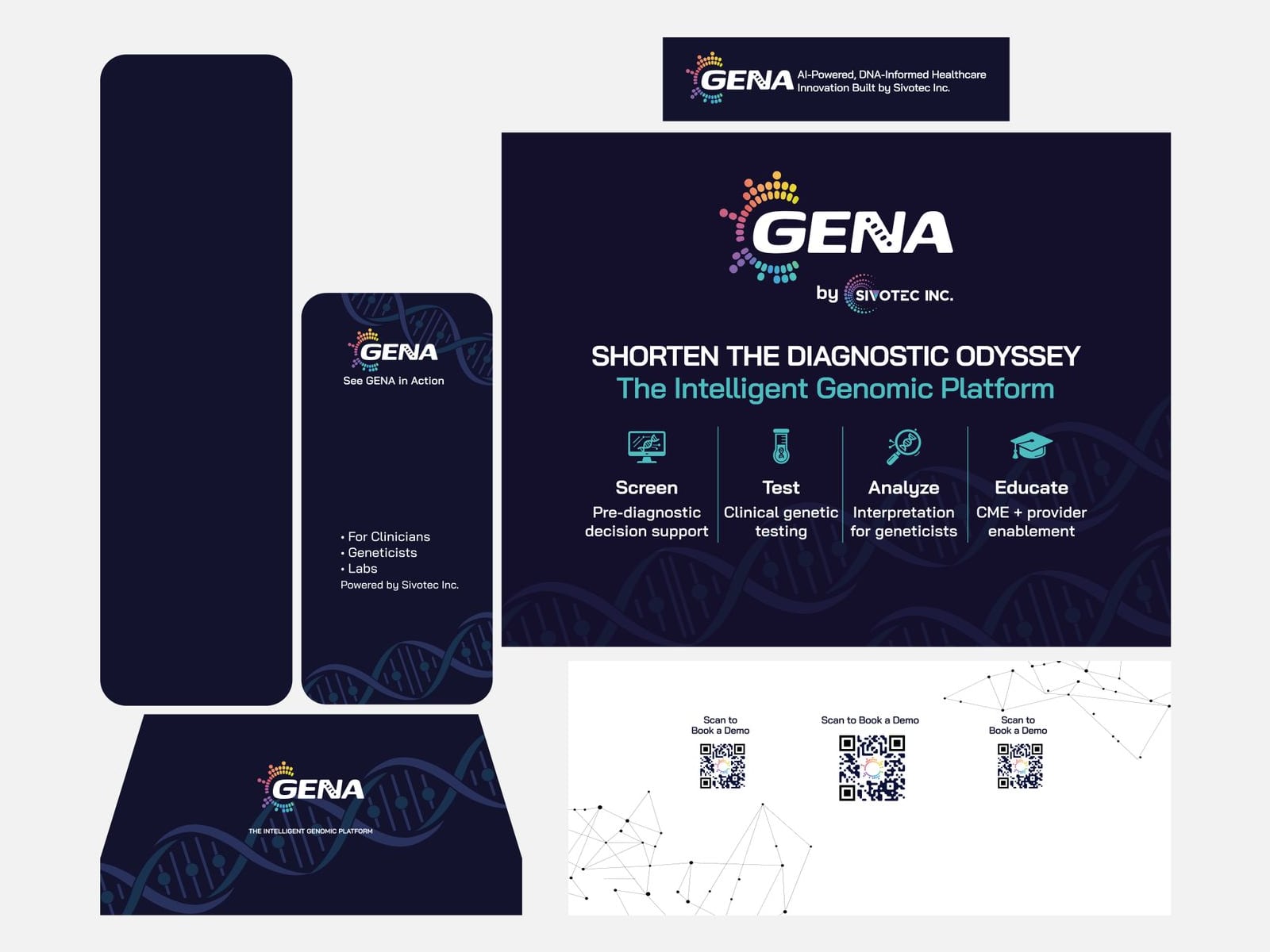
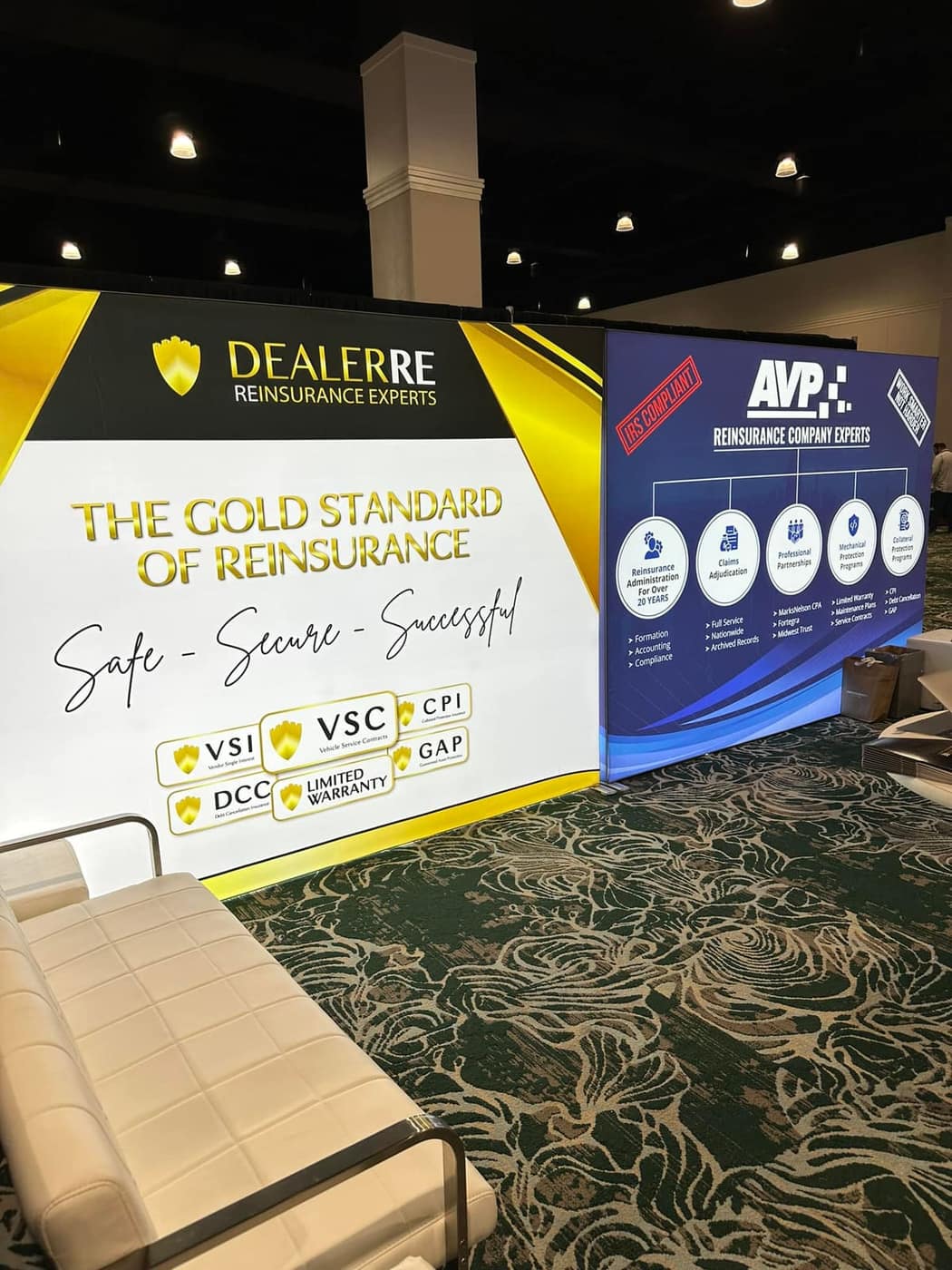
A visitor met one company at the show, so the email should feel like the same one. Use the same logo and colours in the signature, the same plain message you had on the back wall, and if you link to a page, make sure it says what the booth said. You can add a small picture of the booth to the signature, which helps people remember which stand you were among many.
If the show taught you that visitors kept asking the same question, that is worth keeping too. Note it for the next trade show booth design brief, so it goes on the wall next time. Booth Studio gives you a free 3D picture of a booth to try the new message on.
Mistakes that make people ignore a follow up
- One generic email sent to every badge you scanned, with no mention of the conversation.
- Waiting several weeks until the leads have gone cold.
- Large attachments nobody asked for. Send a link instead.
- No next step, so the reader has nothing to answer.
- Several requests in one email. Ask for one thing.
- A long story about your company in place of a line about their problem.
- Sending hot leads the same message as everyone else.
- Forgetting the people you promised something to at the booth.
Learn from who replied
A few weeks after the show, look at who answered and what they asked about. Compare that with the goal you set before the show, and note which questions and messages started the best conversations. Those notes make the next show easier, from how you attract visitors to the booth to the follow up itself.