First trade show tips at a glance
- Set one goal you can count after the show.
- Read the exhibitor manual the week you book, and note every deadline.
- Find out what the space includes before you design or buy anything.
- Bring a simple display with one headline that reads from the aisle.
- Show one thing, not the whole catalogue.
- Tell customers and prospects where to find you before the show.
- Agree who talks, who takes notes and when each person rests.
- Write a note on every lead and follow up within a few working days.
- Walk the hall and collect ideas for next year.
Read the exhibitor manual before anything else
Many first time exhibitors assume the space comes with more than it does. What is included differs from show to show: some spaces come with walls, carpet and a table, and others are a marked piece of bare floor. Power, internet, furniture and cleaning are often ordered separately as show services, and they usually cost less before an early deadline.
The exhibitor manual is the organiser's rule book. Read it the week you book and put its dates in one calendar. Look for these points in particular.
- What the space includes, and what you have to order or bring.
- Height limits and other rules for displays in your type of space.
- Deadlines for ordering services and for sending in forms.
- When you can set up and when you must be packed and out.
- How your things reach the booth: carried in by hand, or moved by the show's own handling service, often called drayage.
- Badges for your team, and whether you can scan visitor badges.
Keep the first show small on purpose
A first show teaches you things no plan can: who actually walks the aisles, which questions they ask and what your team needs at the booth. It makes sense to spend lightly on the stand and pay attention to what you learn, then invest more the second time, when you know what works.
Pick one goal that you can count afterwards, such as conversations with the right buyers or meetings booked. The trade show planning tips cover how to set that goal and choose the show. For where the money goes, and whether to rent or buy the display, see a trade show booth on a small budget.
What to skip the first time
Most of the stress at a first show comes from things that did not need to be there. These can all wait.
- A custom-built stand made for one show.
- Large screens and technology that need power, internet and someone to fix them when they stop.
- Games and activities that need a person to run them all day.
- Several kinds of giveaway. One small useful item, or none, is enough.
- Brochures for every product, printed in bulk. A one-page sheet and a link do the job.
- A wall that lists everything the company does. One message is easier to read and to remember.
The smallest booth that still looks professional
A small space looks professional when a few pieces match and say one thing clearly. For many first shows, this short kit is enough.
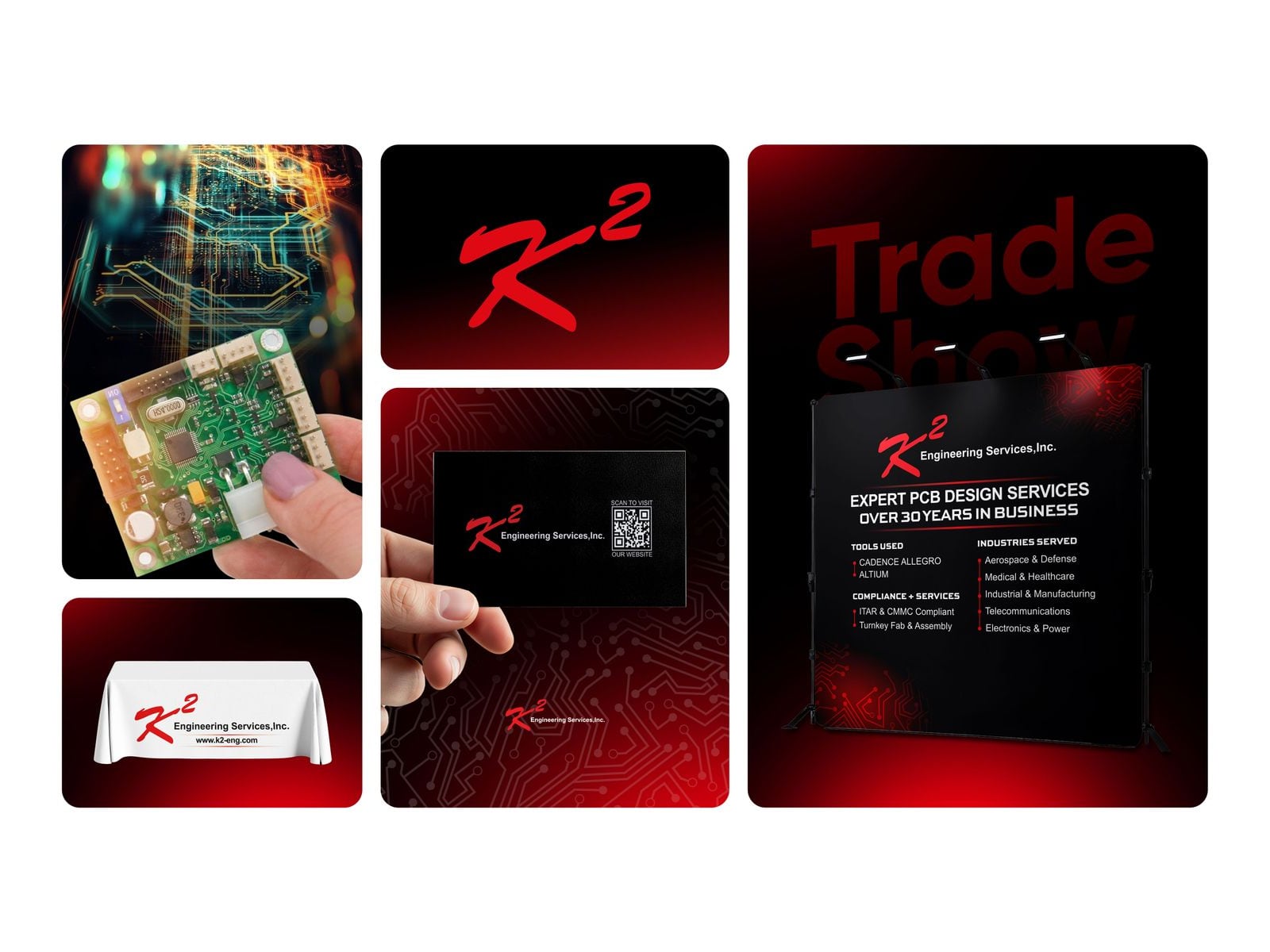
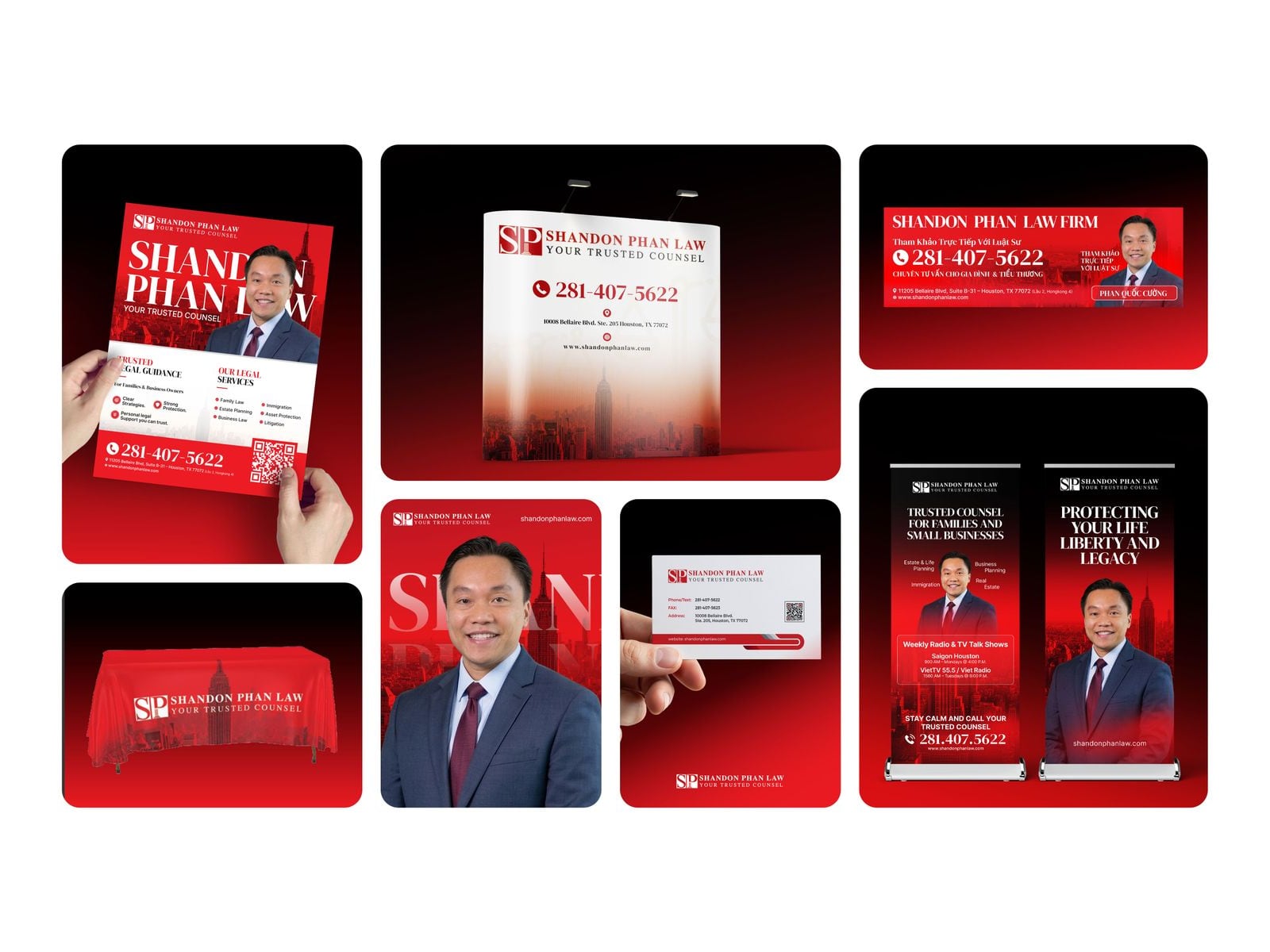
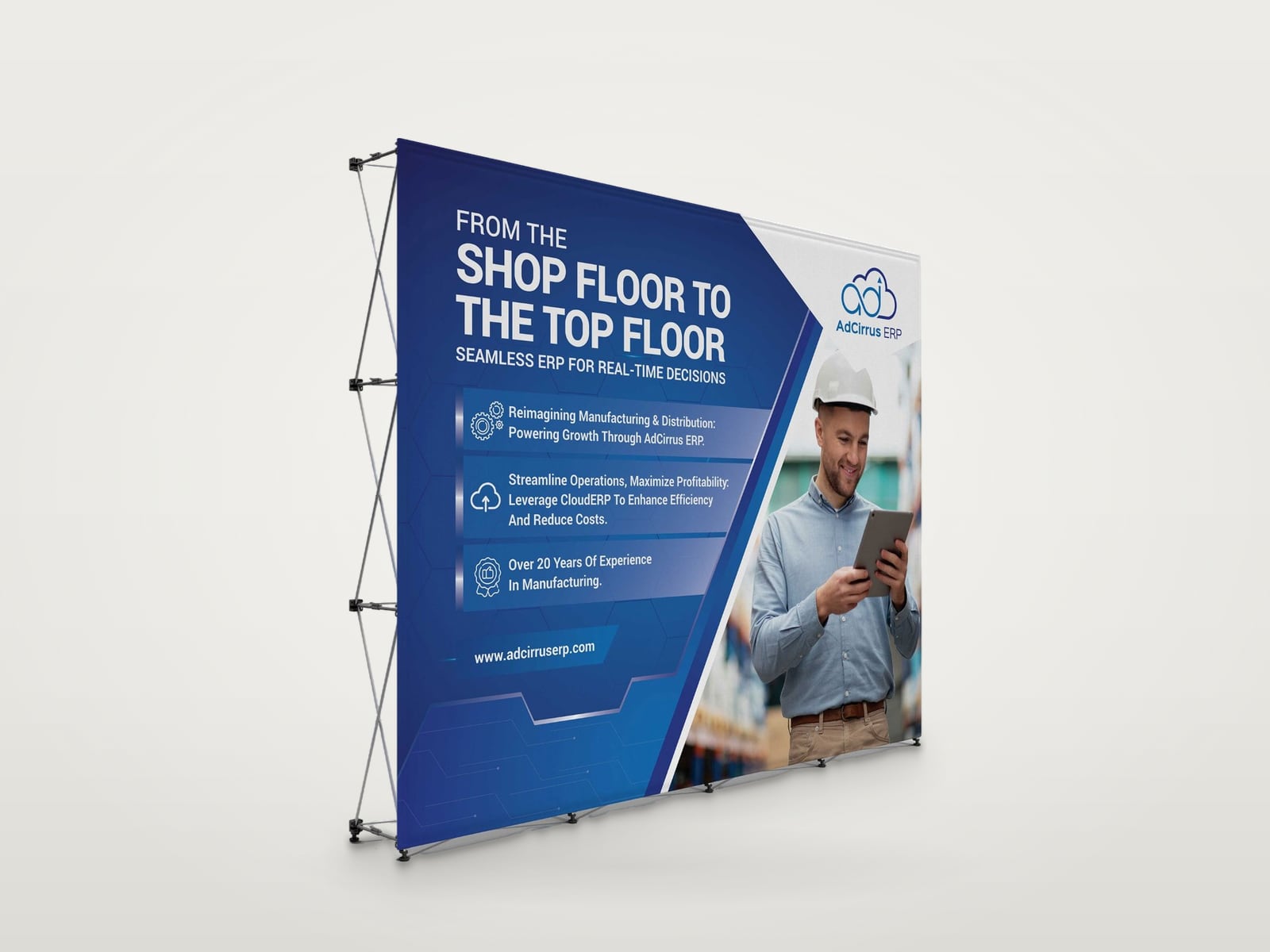
- A backdrop or table top display with your logo high up and one headline that reads from the aisle. See what to put on a trade show backdrop.
- A printed table cover or a small counter in the same colours. The table cover design guide shows what goes on the front.
- One thing to show: a product, a sample, or a short demo on a laptop.
- A way to note leads: the show's scanner or app, or a notebook and a pen.
- Business cards or a one-page sheet with a link or QR code.
See the booth before you print it
Problems are cheap to fix on a screen and expensive to fix in the hall. Before anything goes to print, look at the whole booth at its real size: is the headline above the table, can it be read from a few steps away, does the logo sit clear of the edges? Booth Studio gives you a free 3D picture of a booth with your logo and message, and the 10 x 10 ft booth guide shows the usual panels if you have a standard inline space.
What surprises first time exhibitors
A written list takes care of most of these. The trade show checklist has a packing list and the jobs for each stage.
- The days are long and you stand for most of them. Comfortable shoes matter more than you expect.
- Setting up takes longer than planned, and the hall may have rules about what you can carry in and build yourself.
- Visitors come in waves. There are busy hours and very quiet ones.
- You have less time with each visitor than you think, so the opening question and the note you take both count.
- Shipping, power and furniture have their own forms and deadlines, separate from booking the space.
- Voices and energy fade by the afternoon. Water, snacks and short breaks help.
- Neighbouring booths may be bigger or louder. A clear message still gets read.
If you did not choose your location
New exhibitors often book after the returning ones, so your space may be on a quieter aisle or away from the entrance. You cannot move the booth, but you can help people find it. On a quiet aisle, the people who do pass have more time to talk, which suits a small team. There is more on this in how to attract visitors to your trade show booth.
- Tell customers and prospects your booth number before the show, by email, on social media and in your email signature.
- Ask the organiser what is included in your listing in the show guide or app, and fill it in fully.
- Use a headline that someone walking past can read in a few seconds.
- Stand at the front edge of the space, not behind the table.
- Invite the people you most want to meet to come at a set time.
Staffing a booth with one or two people
- Agree who starts conversations and who writes the notes, and swap during the day.
- Prepare a one-line answer to "what do you do?" and two or three questions to ask visitors.
- Plan breaks, so the booth is not left empty in the busy hours.
- If you are alone, leave a small sign with the time you will be back and a way to leave contact details.
- Wear something that matches the booth, such as the same colour shirts, and shoes you can stand in all day.
- Keep phones, laptops and food out of sight when visitors are near. A team looking at screens is easy to walk past.
Walk the show and take notes for next year
Your first show is also the best research you will get for the second one. Take half an hour in a quiet period, one person at a time, and walk the hall.
- Notice which booths made you stop, and why.
- Look at which headlines you could read from a distance, and which you could not.
- See how other small booths use their space.
- Ask your neighbours what works for them at this show.
- Ask the organiser how spaces are given out for next year, and when booking opens.
- Take photos of your own booth once it is set up, for the next design brief.
After your first show
The leads are the reason you came, so write to them while they still remember you. The trade show follow up email guide has plain wording to start from.
Then compare the result with the goal you set, and write down what you would change: the message, the kit, the team, the show itself. Those notes make the second show easier and are the start of a better booth design brief.